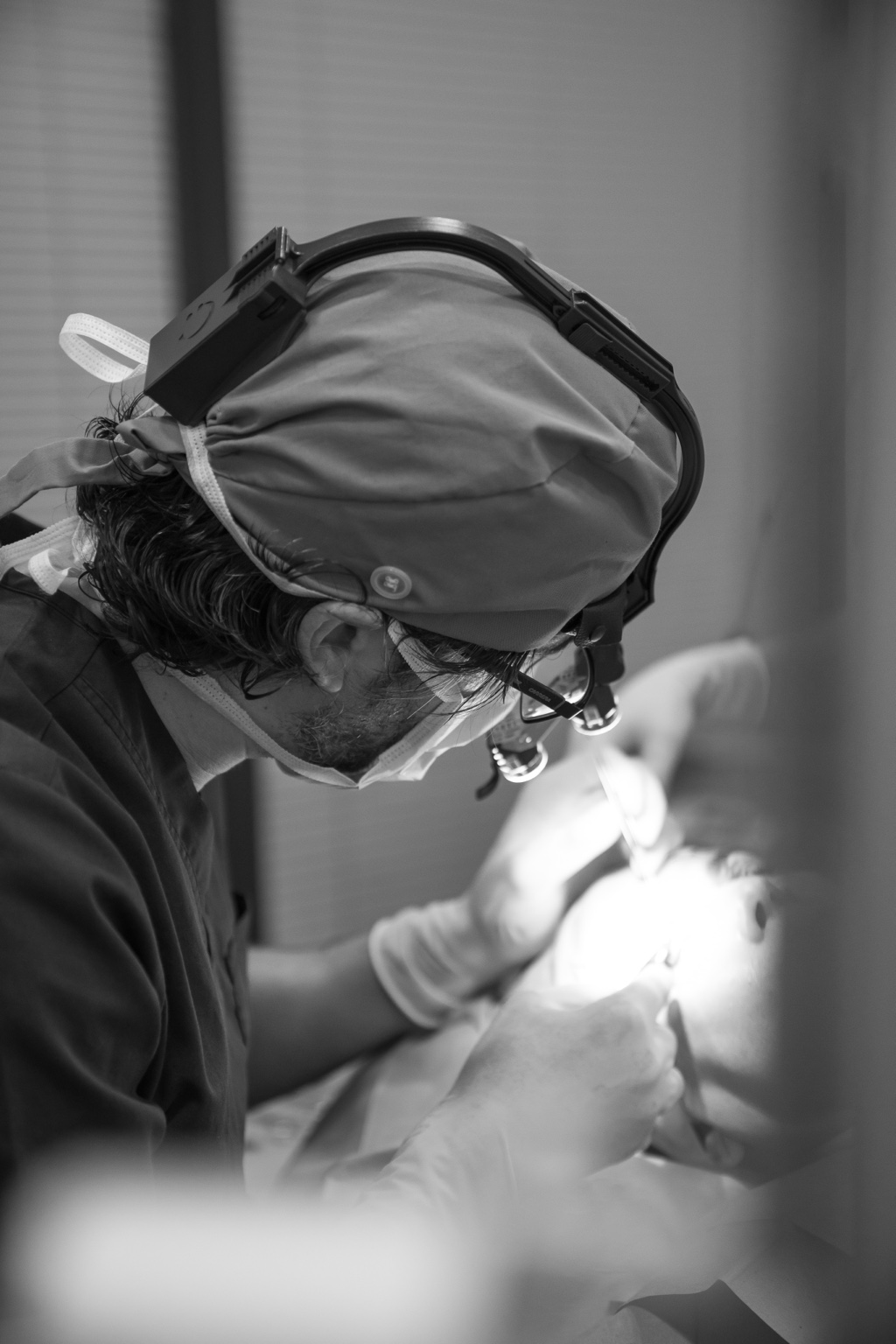
DR VÍCTOR HIDALGO · MALLORCA
Facelift surgery.
Still you.
Looking at yourself with renewed confidence.
Keeping everything that makes you unique.
Oral and Maxillofacial Surgeon
Creator of Mini Deep Lifting®
IN HER OWN WORDS
Feeling supported.
From the very first day.
HER EXPERIENCE, ON VIDEO
Hear her story.
Video in Spanish · Source: Instagram
Watch the original video on Instagram… approachable, attentive and extremely professional.
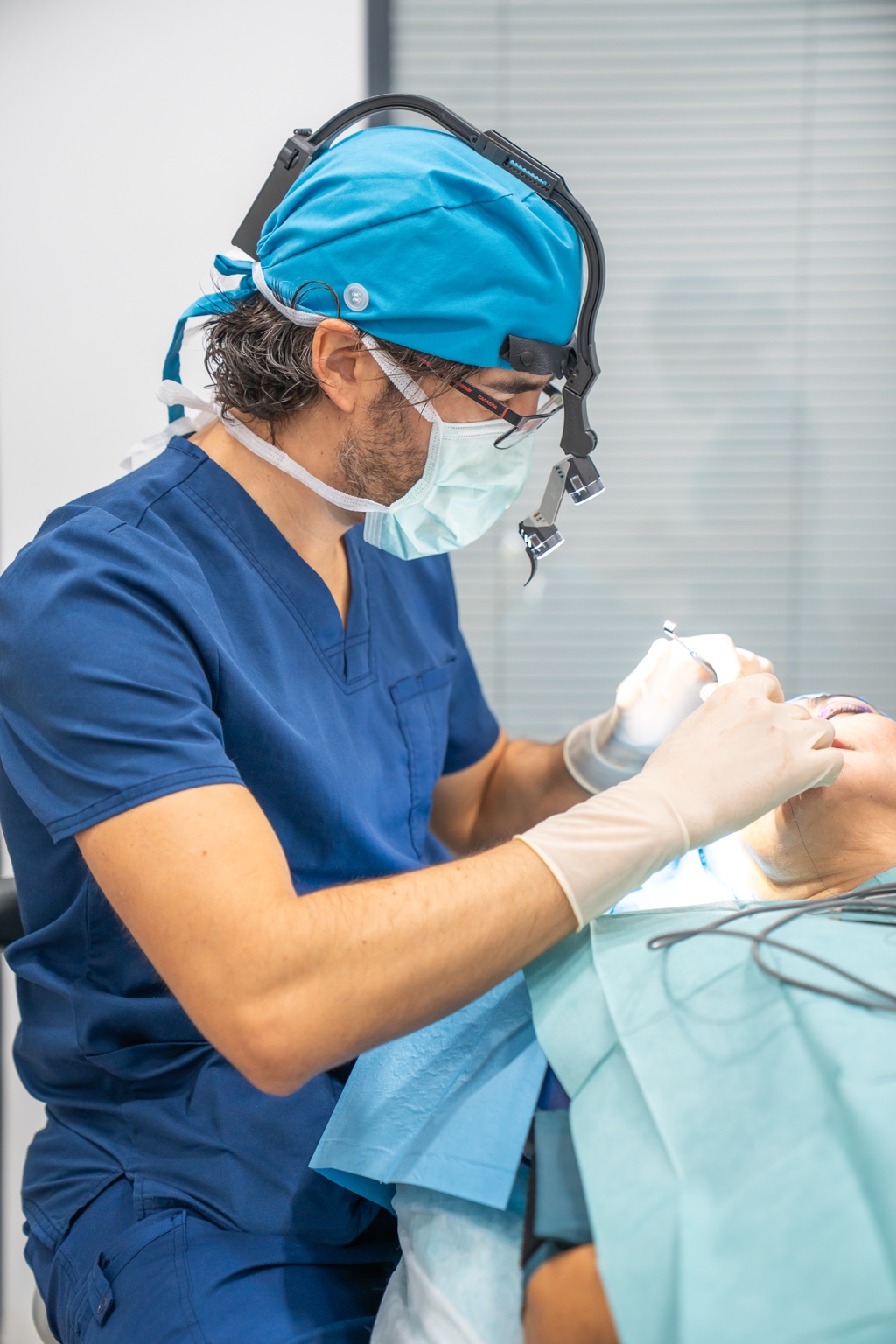
MY TECHNIQUE. MY APPROACH TO FACELIFT SURGERY.
Mini Deep
Lifting®
A limited scar. Deep tissue surgery.
MINI
The necessary scar.
DEEP
Working with deeper tissues.
LIFTING
Reposition, not simply tighten.
Discover Mini Deep Lifting®
I do not aim for a short scar at any cost. I aim for the shortest scar that allows the surgery to be performed properly.
The main work takes place beneath the skin: repositioning deeper tissues so the skin does not have to support the whole facelift.
The strategy is adapted to each face and may include platysmaplasty, fat transfer, eye-area surgery or skin treatments where indicated.
Mini does not mean minor surgery. It remains an operation, with risks and recovery that we must discuss before you decide.
Explore the technique and care ↗REAL STORIES
Results that tell
a story.
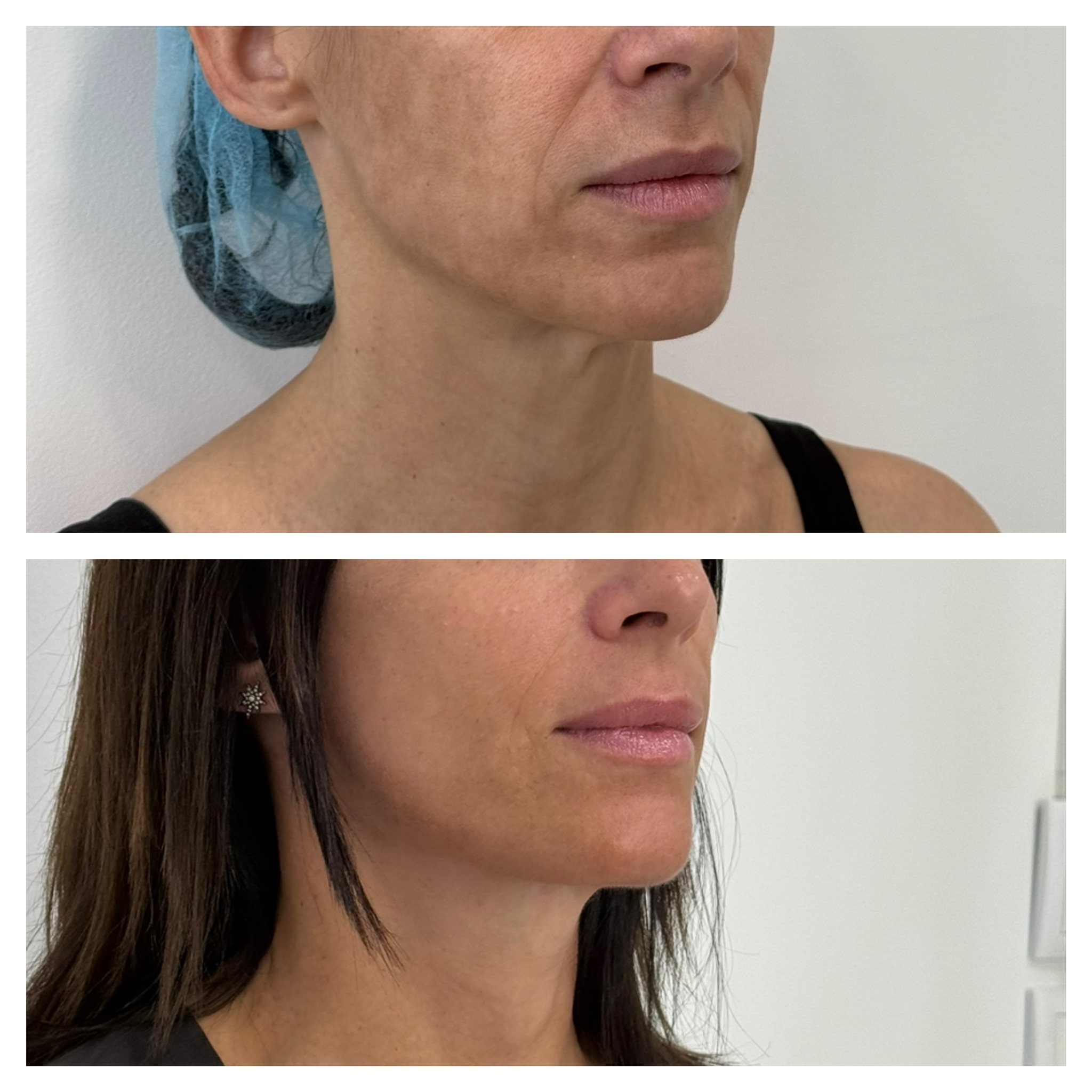
Her concerns were facial sagging and neck bands
Read the story ↗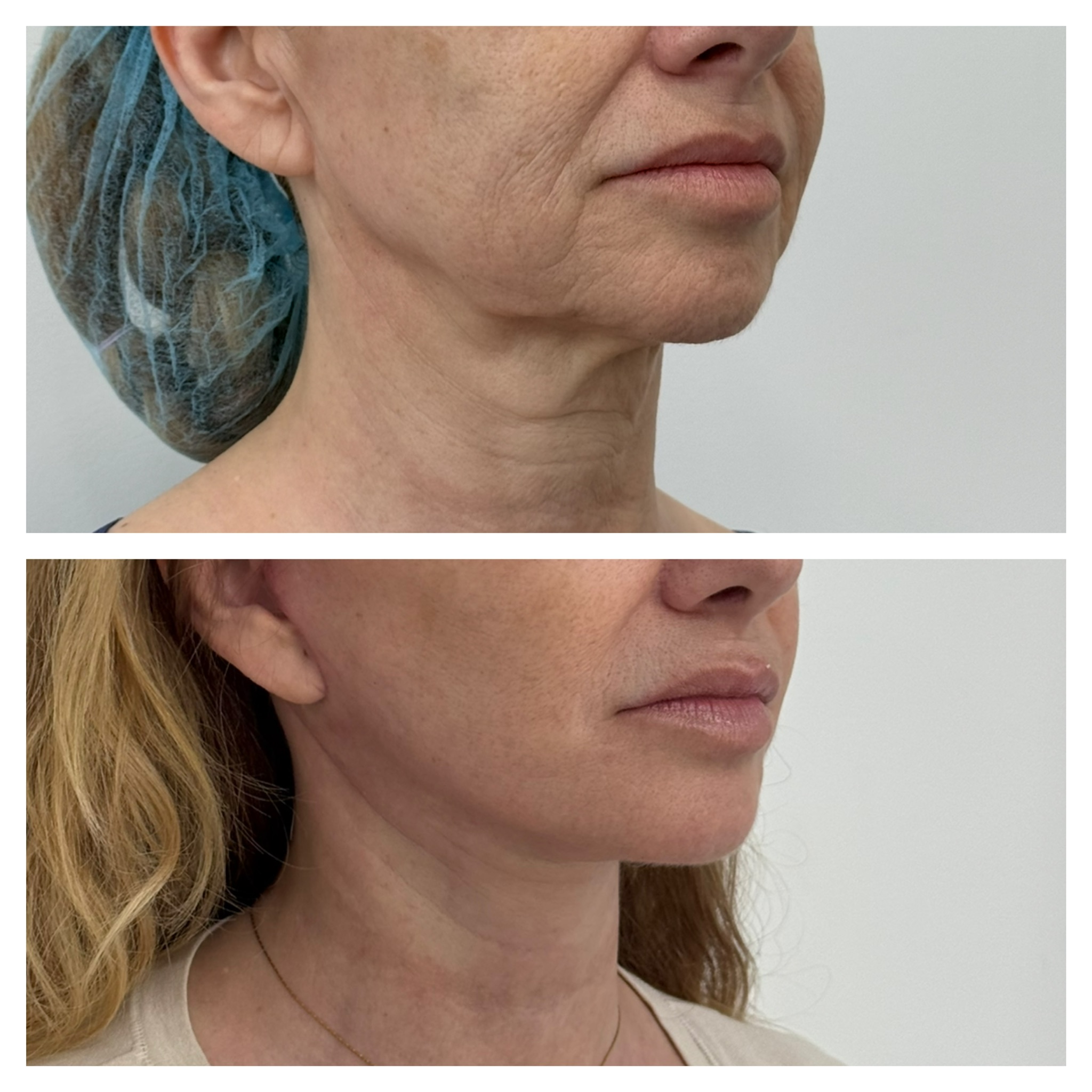
Her face did not reflect how active she felt
Read the story ↗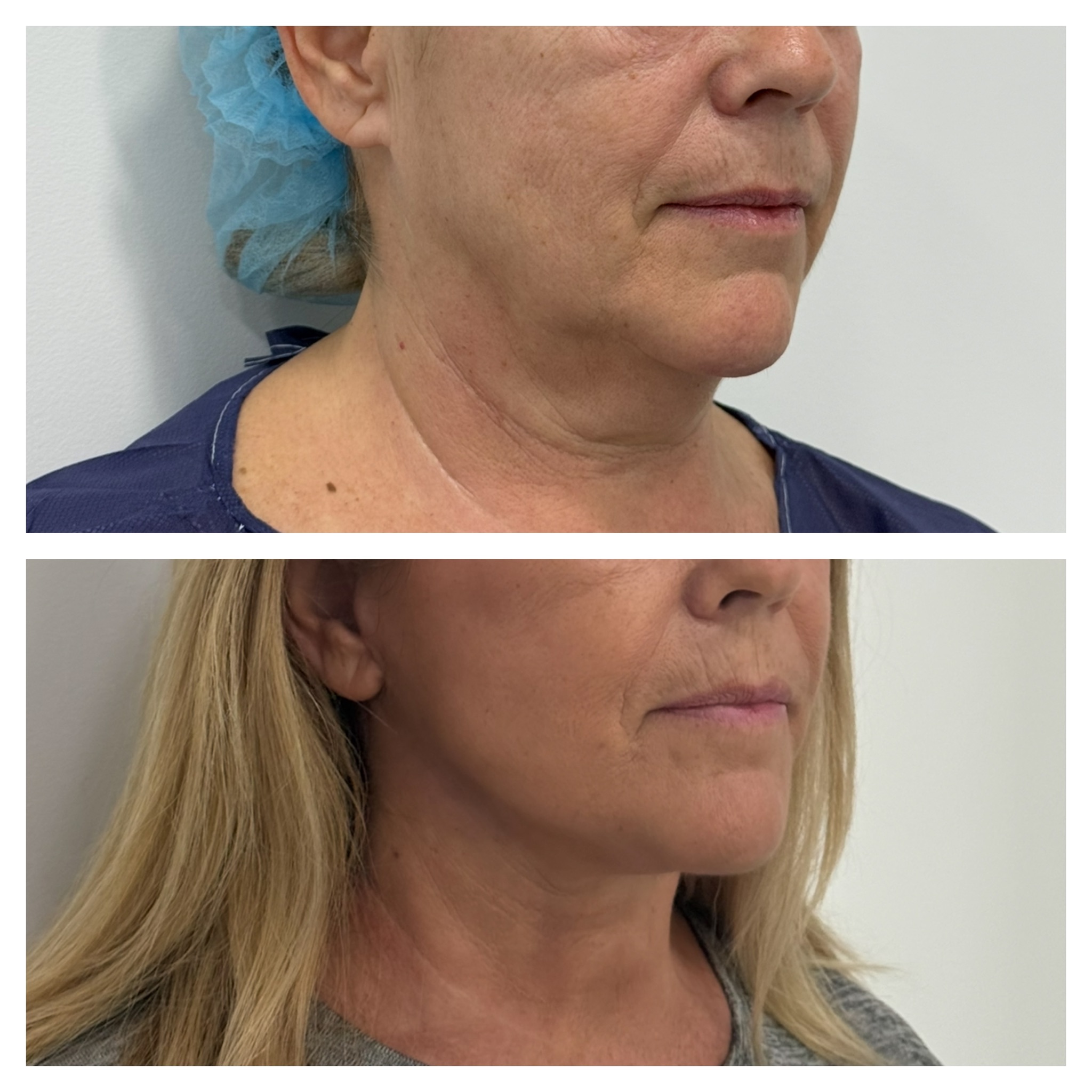
Her main concern was her neck and the area under her chin
Read the story ↗Every case has its own starting point and follow-up time. Assessment is always individual.
MY PHILOSOPHY
Natural does not mean doing less.
It means still being you.
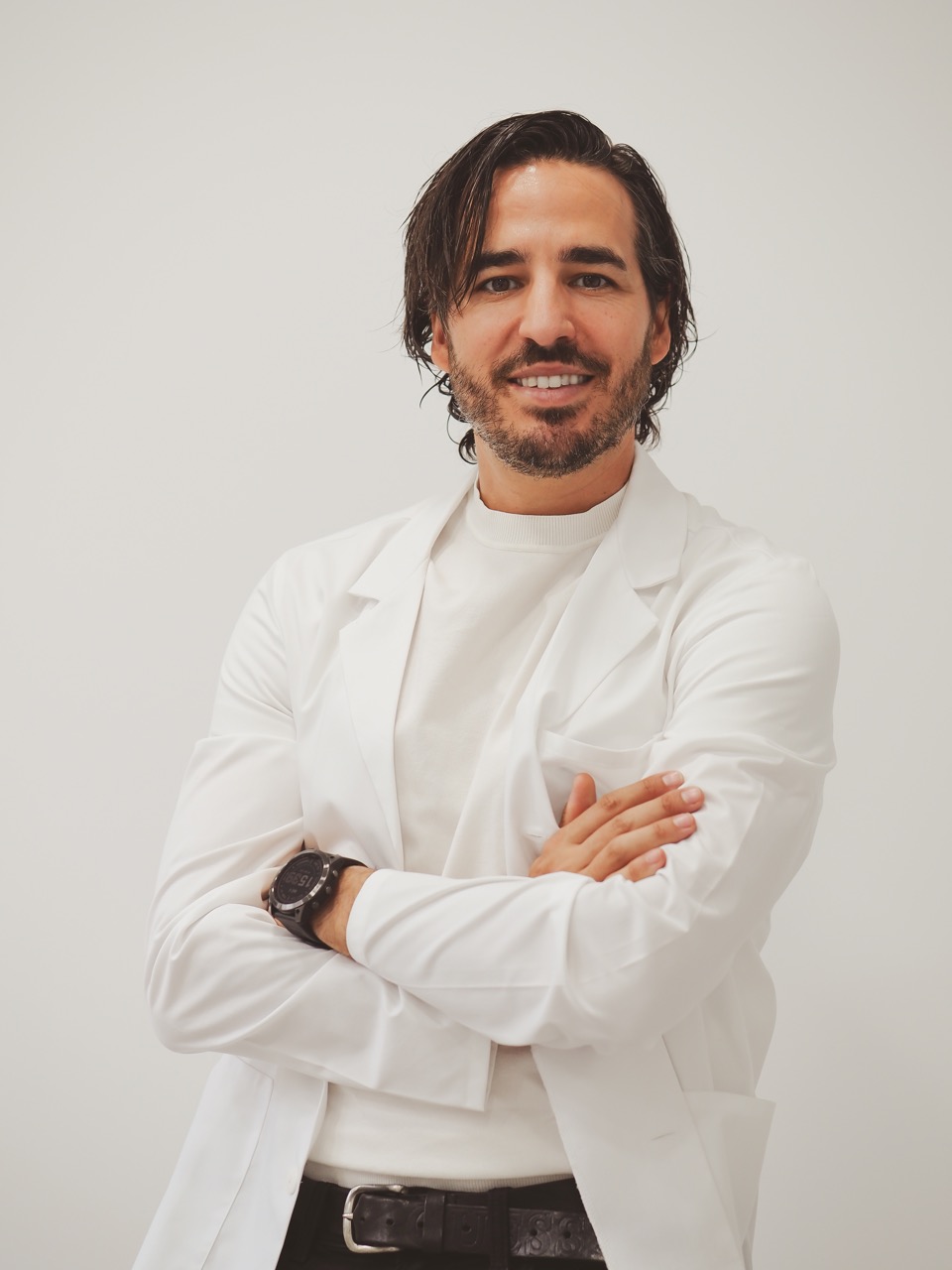
IN MY OWN WORDS
Technique matters.
So does trust.
Natural results, scars, recovery and decisions. My approach to facelift surgery, in my own words.
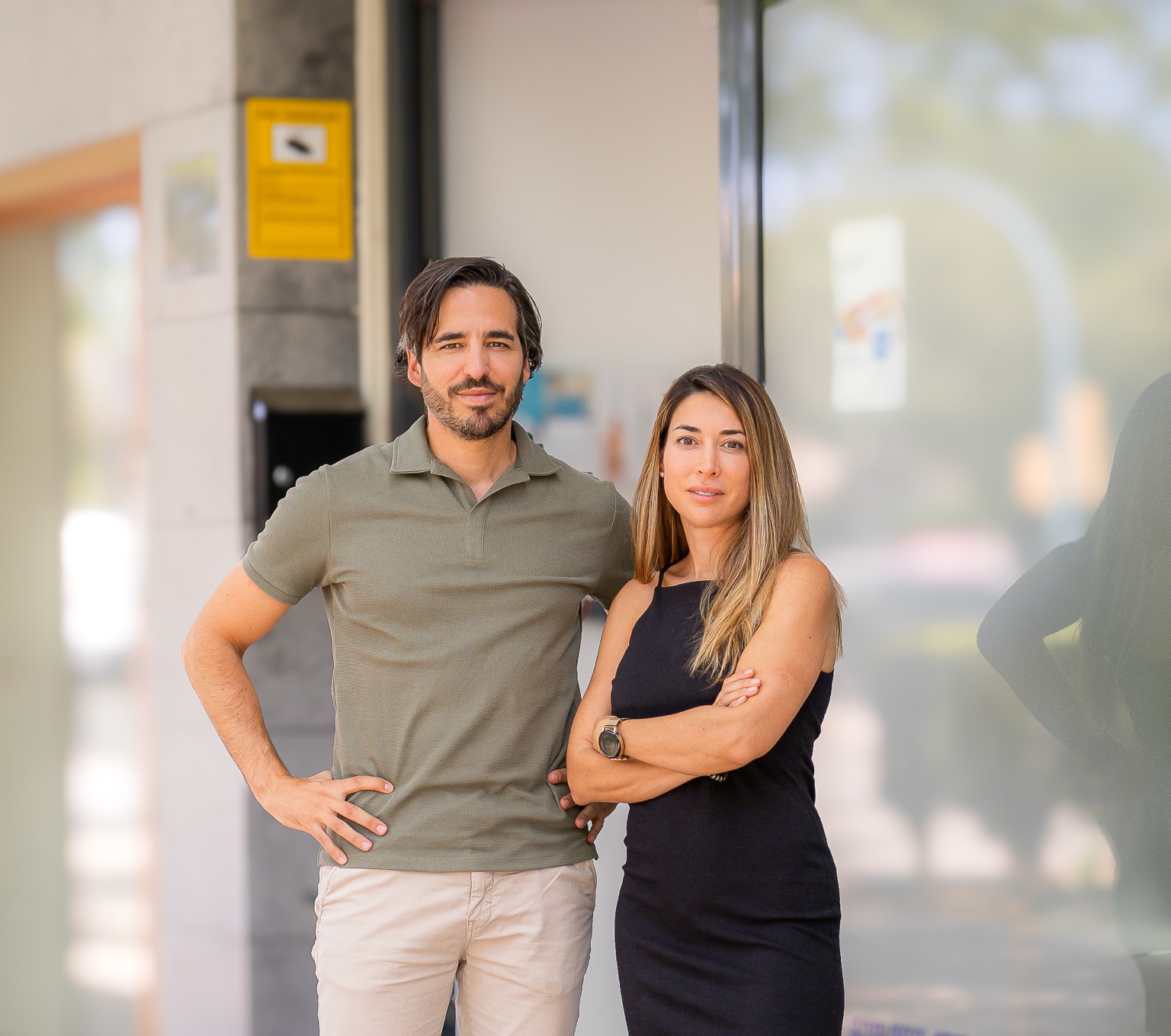
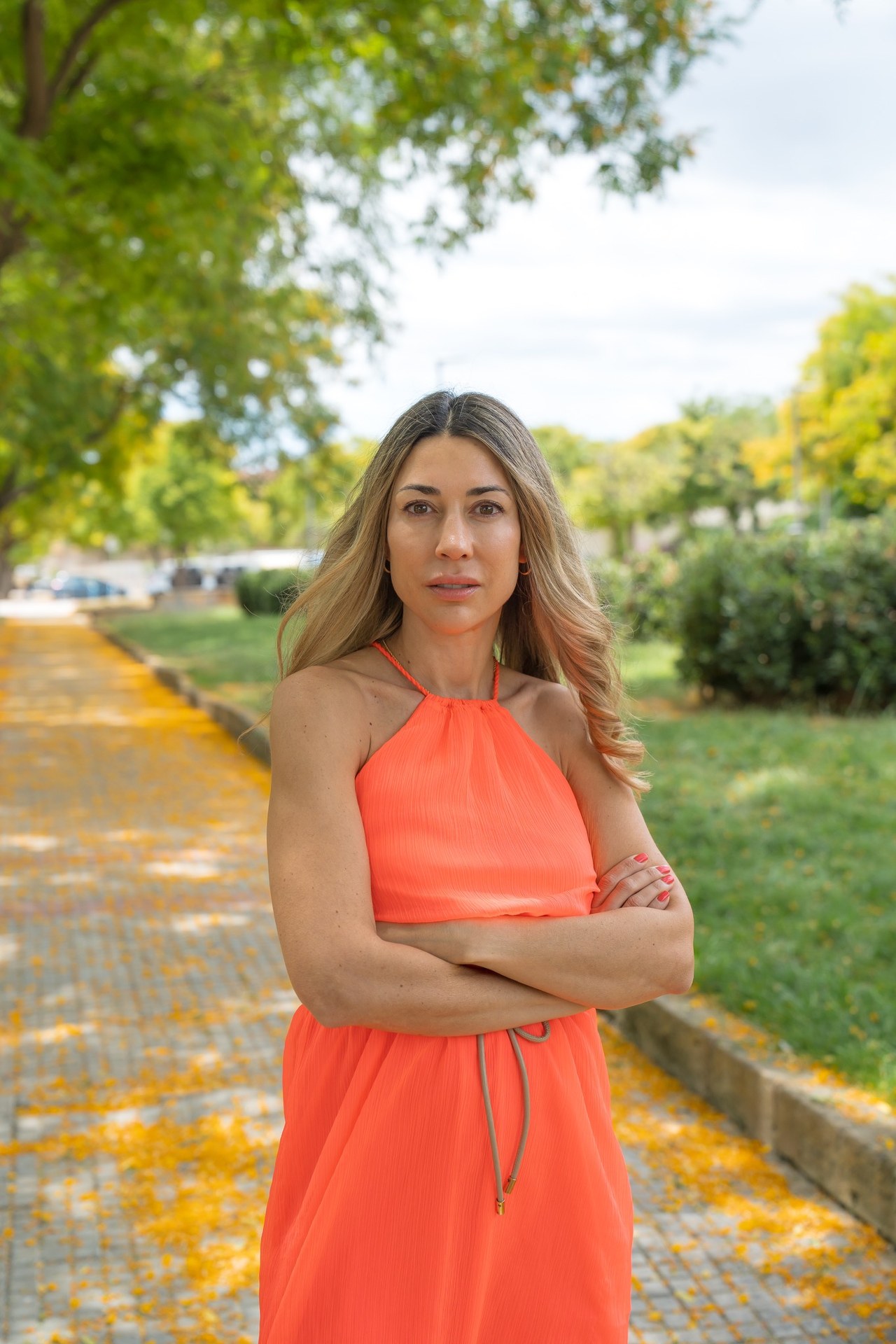
THE TEAM BEHIND YOUR SURGERY
The people who
support you.
Teresa Marín
Specialist in scar treatment. Nursing, coordination and patient support.
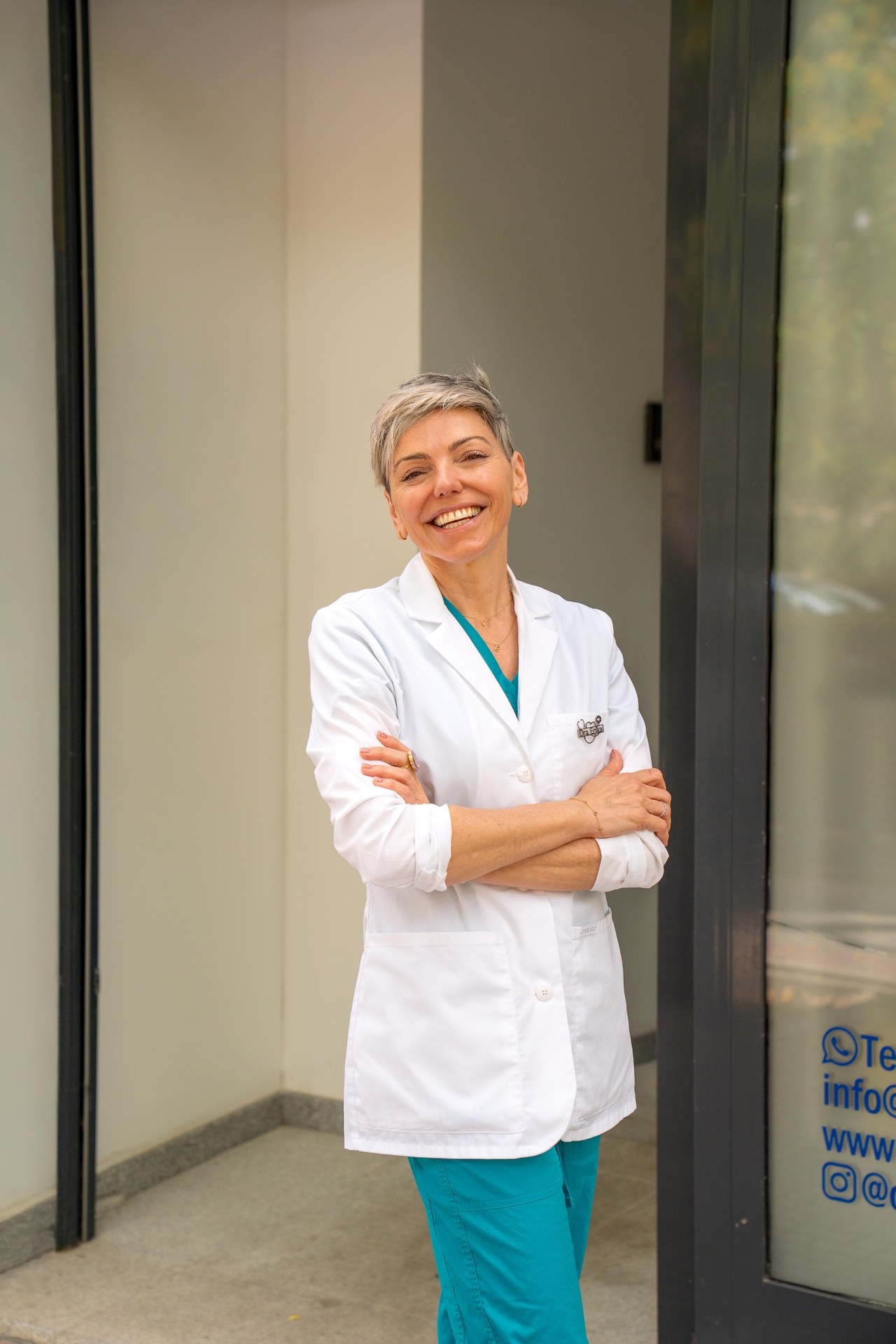
Dra. Erika Ludovicci
Anaesthesiology and preoperative optimisation.
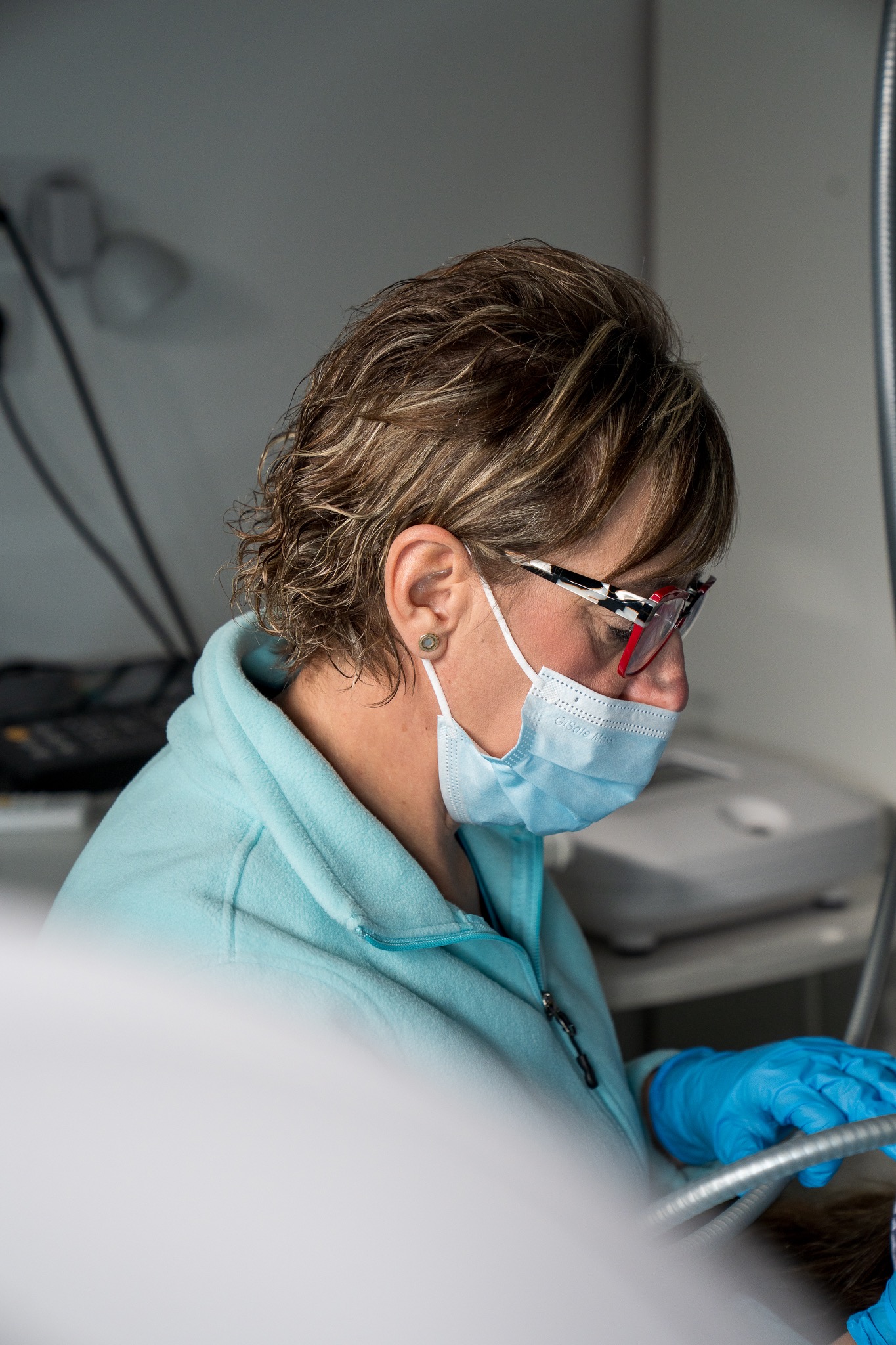
Caty
Recovery and lymphatic drainage where indicated.
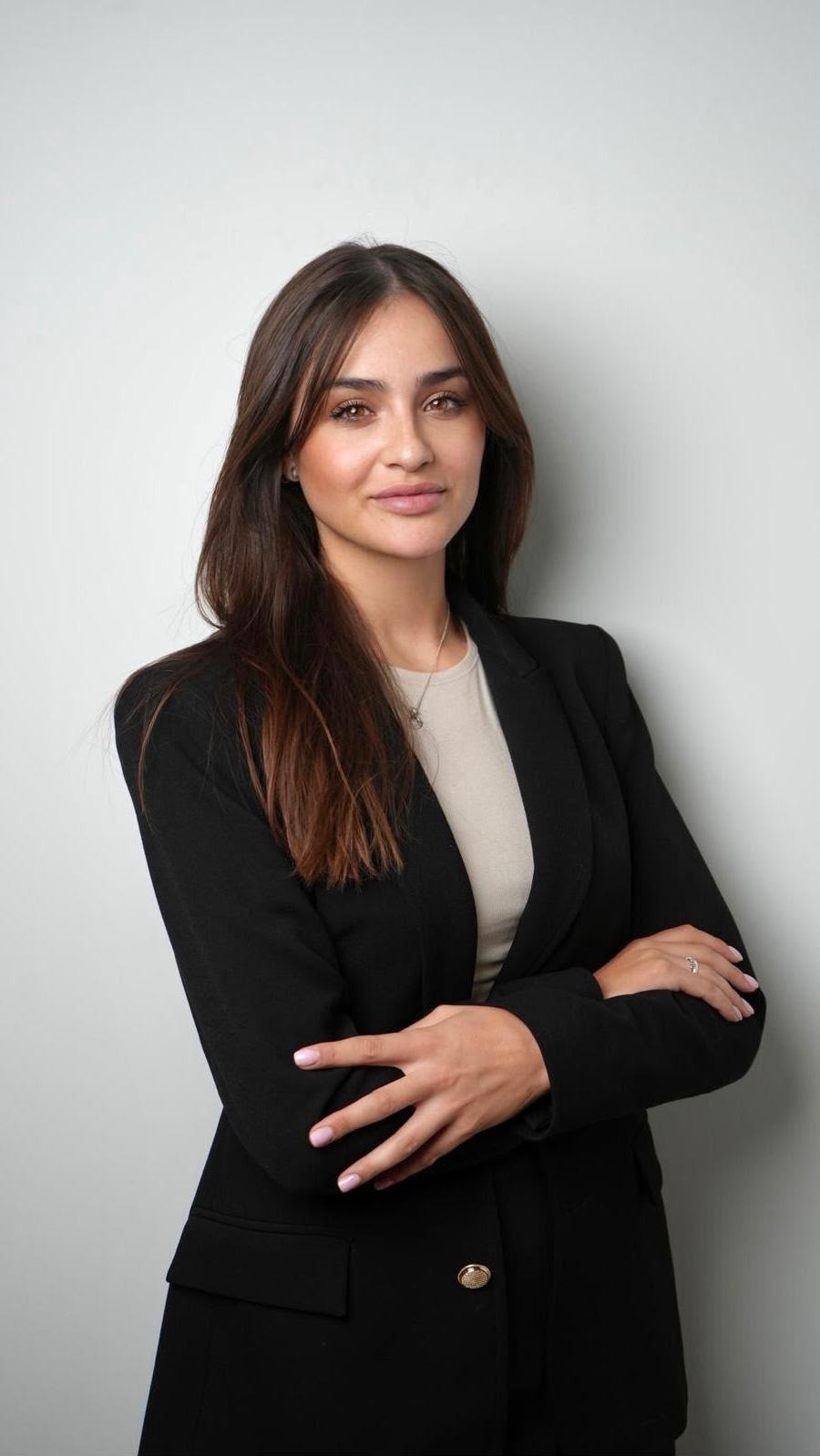
Cristina
Logistics, reception and planning your visit.
ABOUT ME
It is not just another operation.
It is my surgery.
I plan it, perform it and follow its progress. The result matters to me, and so does your experience along the way.
It was not always easy.
Dyslexia meant some things took more effort from childhood. I learned to understand problems, break them down and look for solutions. I am not perfect. Effort is part of my story too.
I trained in Oral and Maxillofacial Surgery at Hospital Universitario Son Espases and completed my specialty in 2017. I chose a demanding path, and facelift surgery became central to my approach to facial surgery.
An early major facelift changed how I experienced this surgery. Afterwards, that patient told me it was the best thing that had happened to her that year. Since then, I have tried to find that feeling again in every patient I operate on.
That is why getting to know you matters to me. Behind every face is a story, and I want to hear yours.
A letter to you
Thinking about a facelift can bring hope and doubts together. Wanting to feel better about your appearance and fearing you may not recognise yourself can coexist.
You do not need to arrive having made a decision. You need space to explain how you feel and receive an honest opinion, including when surgery is not the best option.
Trust begins long before the operating room.
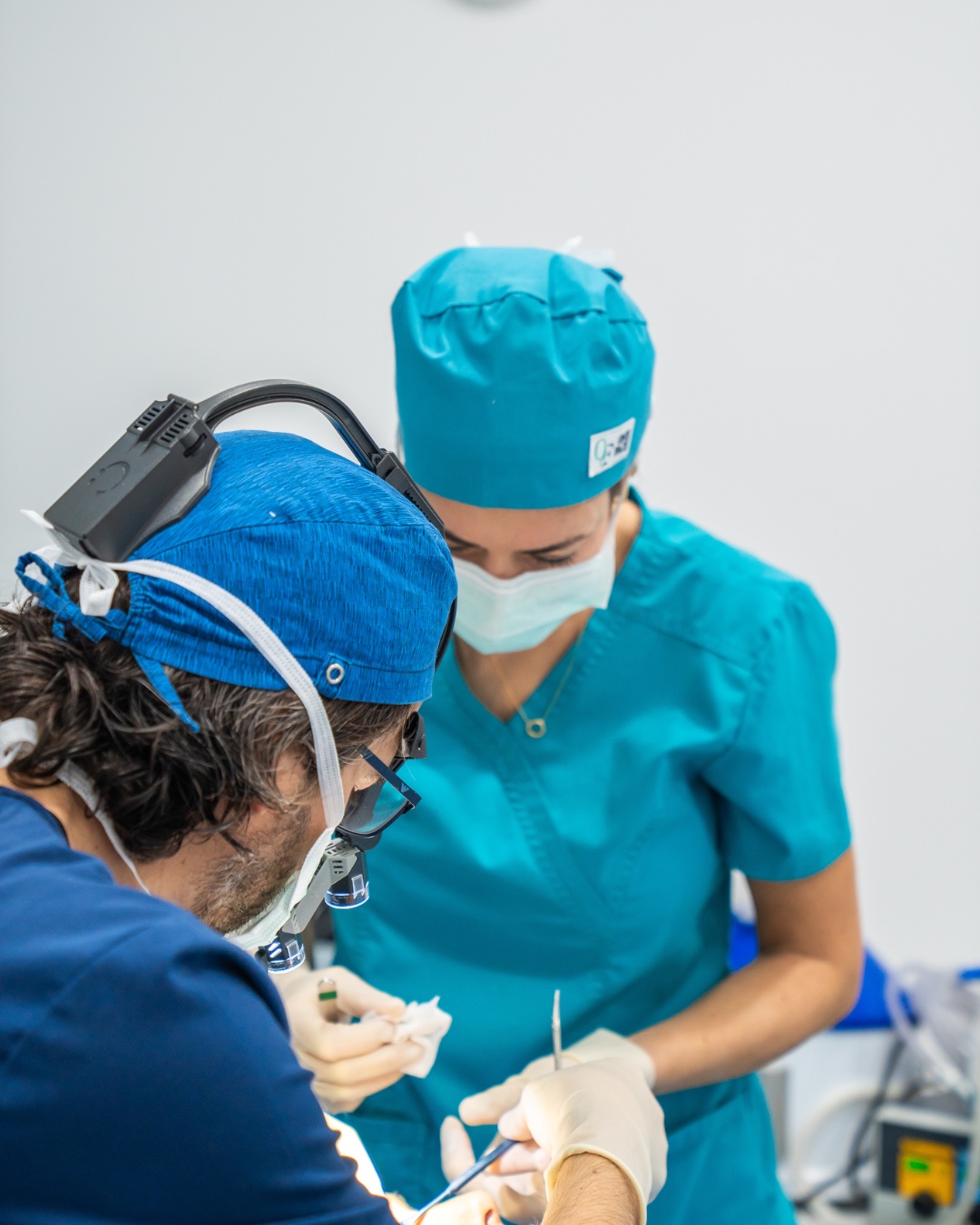
COMPLEMENTARY SURGERY AND TREATMENTS
A complete perspective.
A decision for each area.
Each area needs a different response. Open a treatment to see what it addresses and when it may make sense.
BlepharoplastyEyelids and bags
When the eyes look tired, we distinguish what comes from the eyelid and what comes from the brow.
What it treats
Blepharoplasty treats excess skin and, where indicated, eyelid fat bags. Planning aims to preserve expression and eyelid function.
How it complements a facelift
It may accompany a facelift when the eyelids also need attention. These are different areas and goals: treating one does not necessarily address the other.
What we assess with you
We assess the eye surface, eyelid position and medical history. We discuss scars, dryness, changes in eyelid position and recovery.
Book a consultationBrow liftBrow position
Sometimes heaviness around the eyes begins above the eyelid.
What it treats
A brow lift repositions a descended brow. Technique and vector are chosen according to anatomy and the expression we want to preserve.
How it complements a facelift
It may complement blepharoplasty or a facelift when brow descent contributes to a tired appearance.
What we assess with you
Indication, incisions and recovery are discussed individually, including changes in sensation, healing and asymmetry.
Book a consultationPlatysmaplastyNeck and bands
The neck needs its own assessment alongside the jawline.
What it treats
Platysmaplasty treats the platysma muscle to address neck bands where indicated. Skin, fat and muscle are assessed separately.
How it complements a facelift
It may be included in facelift surgery to treat neck bands. The strategy depends on which structures explain the concern.
What we assess with you
We discuss the incisions, follow-up and risks such as haematoma, healing and sensory changes. Recovery depends on the whole operation.
Read the complete explanation ↗Book a consultationFacial fat transferVolume and contour
Repositioning tissues and restoring volume are different decisions.
What it treats
Fat transfer uses your own body fat to add volume in selected facial areas. Fat is harvested and prepared before transfer.
How it complements a facelift
It may complement a facelift when volume has been lost. We decide where and how much to add while preserving your proportions.
What we assess with you
Some fat may be absorbed and the result is assessed over time. We discuss swelling, irregularities, asymmetry and risks in donor and recipient areas.
Read the complete explanation ↗Book a consultationCO₂ laserSkin texture and wrinkles
A facelift repositions. Skin quality needs a different approach.
What it treats
CO₂ resurfacing treats the skin surface and may improve selected wrinkles and texture changes. Settings and intensity are adapted to the skin and goal.
How it complements a facelift
It may be part of a plan that also addresses the skin. Timing alongside surgery or separately is decided during assessment.
What we assess with you
It requires care and sun protection. We assess skin type and history, and discuss pigment changes, infection and healing risks.
Book a consultationNot everyone needs these treatments. The plan follows a conversation and examination of your face.
BEFORE, DURING AND AFTER
Your care, before and after.
Preparation and optimisation
Preparing for surgery in the best reasonable conditions.
Scars
Planning, careful closure and months of follow-up.
Recovery and follow-up
Care, appointments and a gradual return to daily life.
Surgical complications
What can happen and how we support you if it does.
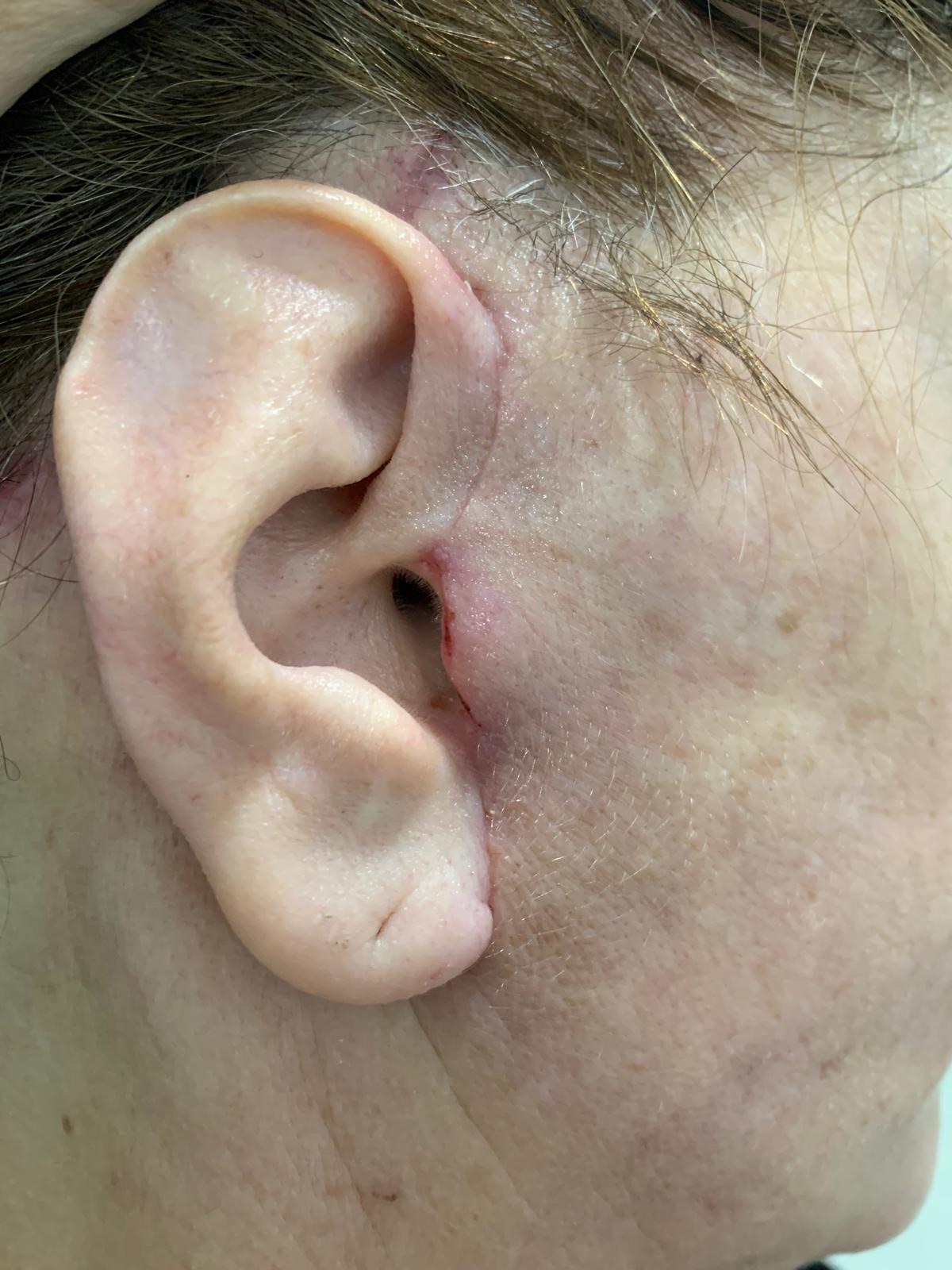
A good scar starts in the operating room.
Plan. Close without tension. Follow the healing.Surgery is one day. Your care starts before and continues afterwards.
Preparation and surgery
Preparation starts with assessing your health, habits and tissues. Planning determines what makes sense to treat and what to preserve.
Local anaesthesia and sedation, outpatient surgery and discharge with a companion. Approximate duration is 3–5 hours depending on the operation.
My approach to scars
Planning incisions, careful tension-free closure and months of follow-up. Location and length depend on your anatomy and the surgery needed.
The goal is a discreet scar. Healing takes time and individual care.
Recovery and follow-up
Feeling recovered and completing healing are different things. Timing depends on surgery and your progress.
Surgical complications: talking about risks is part of your care
My duty is not to promise there will be no complications. It is to work to prevent them, recognise them early and know how to respond.
Before deciding, we discuss haematoma, seroma, healing and changes in movement or sensation, including the possibility of persistent nerve injury.

TRAVELLING TO MALLORCA?
You come for surgery.
We help with the rest.
Video consultation, planning, accommodation and follow-up after you return home.
Plan my visit ↗The first days, close to the team
Before arranging travel, we agree how long you need to stay in Mallorca and how follow-up will work. A typical stay is 5–10 days depending on surgery and recovery.
Our guide includes nine accommodations and other Meliá options. The team helps you choose and confirms availability and conditions before booking.
BEFORE YOU DECIDE
Answers to help you decide
with confidence.
THE FIRST STEP IS A CONVERSATION
Your first consultation.
The start of a conversation.
First consultation: €80 · ≈40 minutes
In person or by video. Payment is arranged when scheduling.